
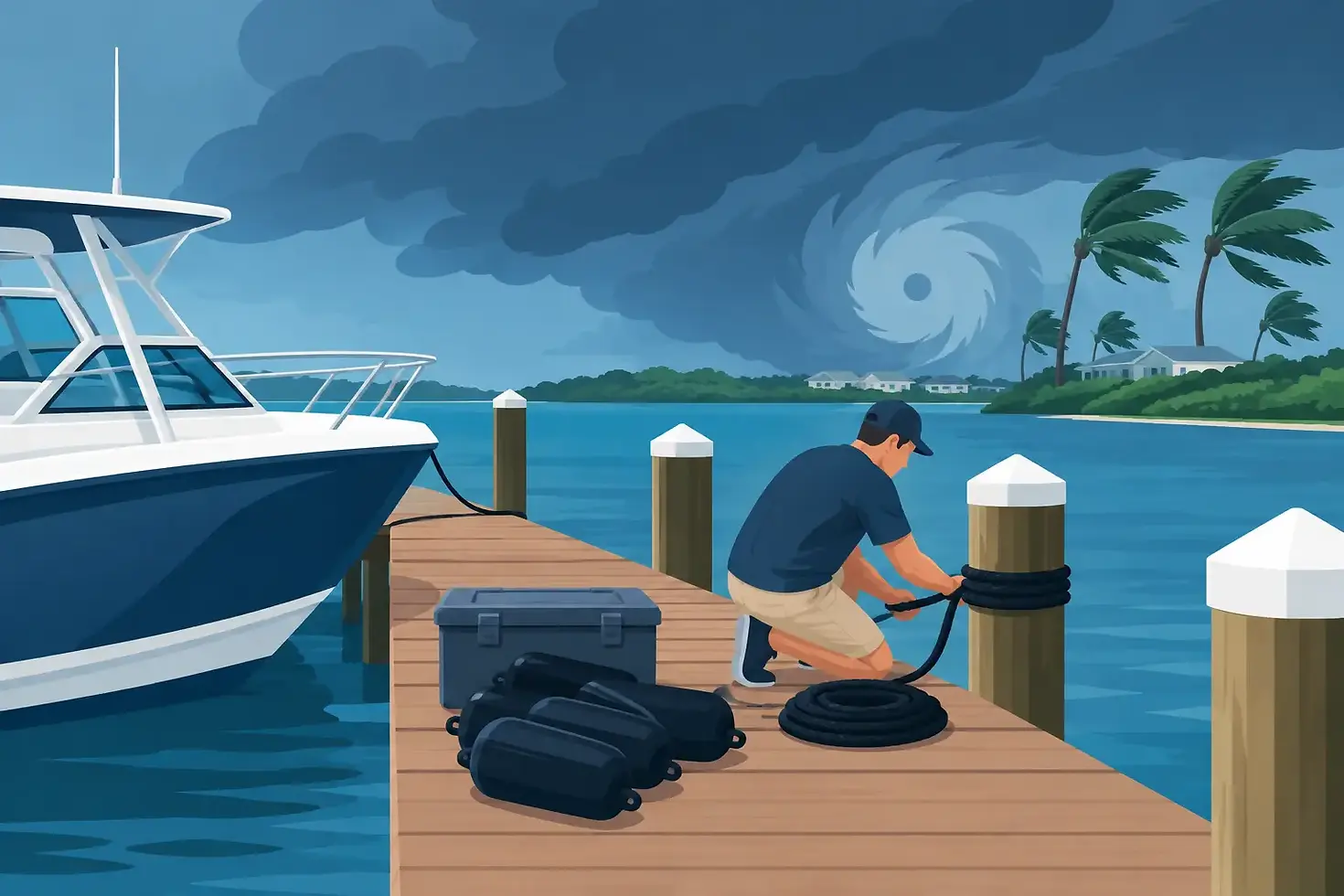
How to Prepare Docks for Hurricanes Safely
A dock can look solid on a calm summer morning and still become a costly hazard when a hurricane pushes water, wind, debris, and boat traffic into the same shoreline. To prepare docks for hurricanes, Gulf Coast property owners need more than a few extra dock lines. The work starts with understanding what the structure can handle, removing what can become airborne or floating debris, and making decisions early enough to keep people safe.
For homeowners, marina operators, and waterfront property managers, hurricane preparation is a maintenance issue as much as an emergency task. A dock with sound pilings, secure framing, working hardware, and a clear storm plan has a better chance of coming through a major weather event with repairable damage rather than a complete failure.
Start With the Dock Structure, Not the Forecast
Do not wait until a named storm is tracking toward the Gulf to find loose boards, rusted fasteners, cracked pile caps, or shifting pilings. Hurricane conditions expose weaknesses that may not be obvious during normal use. Repeated wave action can loosen connections. Storm surge can lift floating components. Wind can turn an unsecured gangway, ladder, kayak rack, or dock box into a source of damage.
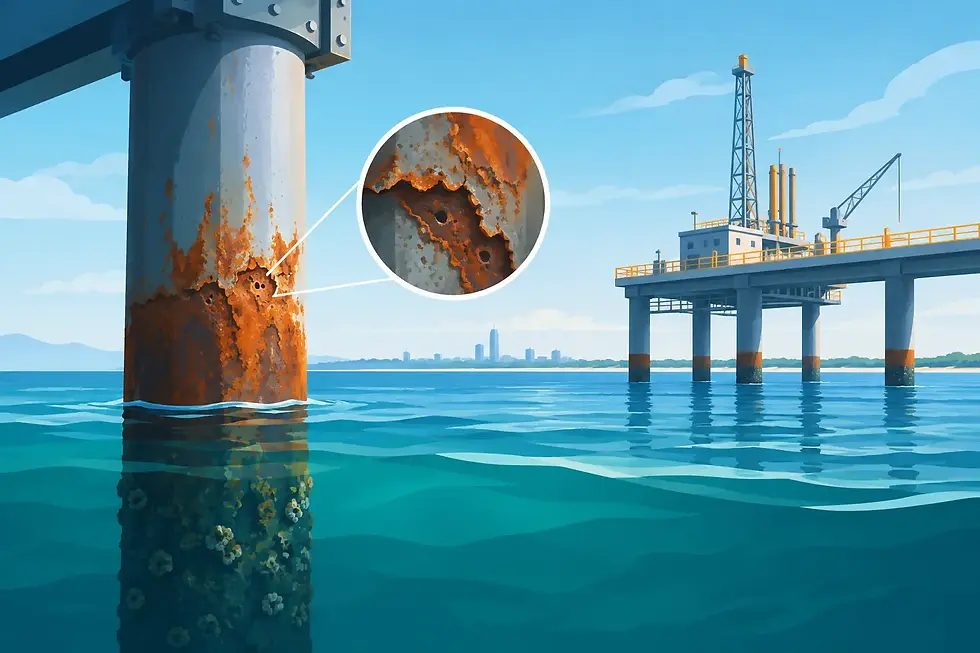
Walk the dock during calm weather and look closely at the components that carry the load. Check pilings for splits, decay, severe marine borer damage, rot near the waterline, and movement at the connection points. Inspect framing, cross-bracing, deck boards, cleats, pile guides, hinges, bolts, and hardware. Corrosion matters, particularly around mixed-metal connections and areas that stay wet or are exposed to salt spray.
A floating dock deserves a separate look. Confirm that pile guides move freely, guide piles are sound, hinges are secure, flotation is intact, and the dock has enough travel to rise with expected water levels. A fixed dock has different vulnerabilities. It depends heavily on piling depth, structural bracing, connection strength, and whether surge and waves can pass through or strike against the structure.
If a piling is leaning, a section feels soft underfoot, hardware is heavily corroded, or a seawall is failing near the dock, bring in a qualified marine contractor before storm season. Emergency repairs are harder to schedule, more expensive, and often limited by weather conditions or material availability.
Remove What Can Move
The fastest way to reduce damage is often to clear the dock. Loose items create hazards for your structure, neighboring properties, boats, and navigation channels. Store removable equipment inland and above anticipated flood levels when possible.
Before a storm, remove or secure these common troublemakers:
Dock furniture, grills, coolers, trash cans, planters, and storage boxes
Kayaks, paddleboards, personal watercraft accessories, and portable ladders
Fish-cleaning equipment, hose reels, dock carts, tools, and loose deck materials
Shore-power cords, small electronics, signage, flags, and unsecured lighting fixtures
Do not assume a heavy item is safe because it is difficult to lift. Wind and moving water apply forces far beyond ordinary use. If an item cannot be removed, secure it according to the manufacturer’s guidance and consider whether leaving it in place may damage the dock itself.
Also remove fuel containers and hazardous materials from the dock area. Securely store them in an appropriate location away from flood exposure. A spilled fuel container or damaged battery system can create problems long after the wind has passed.
Prepare Boats and Lifts as One System
A boat left at the dock can protect the vessel or destroy the dock, depending on how it is secured and what conditions arrive. There is no single mooring plan that works for every property. The right choice depends on the vessel, water depth, dock design, anticipated surge, available protected storage, and marina rules.
When evacuation, dry storage, or a protected hurricane haul-out option is available, it is often the lower-risk choice. If a boat must remain at the property, use a storm-specific plan designed for that location. Ordinary docking lines are not enough. Lines should be sized appropriately, protected from chafe, arranged to allow for water-level changes, and attached to structural cleats or pilings rather than weak hardware.
Avoid tying a boat in a way that transfers all surge and wave loads directly into the dock. Lines that are too short can become dangerously tight as water rises. Lines that are too long can allow the boat to strike pilings, decking, lifts, or nearby vessels. This is where local experience matters. A protected canal behaves differently from an open bay, and a boat house has different risks than an open-slip dock.
For boat lifts, follow the lift manufacturer’s storm procedures. In many situations, raising the boat as high as practical can reduce exposure to normal wave action, but it does not make the boat immune to surge or wind. A lifted boat can still be damaged if water rises above the lift, if the vessel catches wind, or if the lift structure is not rated for the conditions it faces.
Inspect lift cables, bunks, guide posts, switches, pulleys, motors, and attachment points before hurricane season. Never use a lift that has known mechanical or structural issues as your storm plan. Hurricane-rated lift systems and properly designed boat house structures can offer meaningful protection, but only when they are correctly installed, maintained, and used within their design limits.
Shut Down Utilities Carefully
Electricity and rising water are a dangerous combination. Turn off dock power at the appropriate breaker before conditions deteriorate, following your electrician’s, marina’s, or equipment manufacturer’s guidance. Disconnect shore-power cords and store them where they will remain dry and protected. Do not leave cords coiled on a dock where they can sit in floodwater or pull against a moving vessel.
Water lines should be shut off and drained when practical to help prevent damage from impact, contamination, or broken fittings. Secure electrical panels, meter equipment, and controls if they are designed for it, but do not attempt electrical work unless you are qualified. Damaged service equipment should be inspected before power is restored after the storm.
Marina operators should have a clear procedure for notifying slip holders about shutdown timing, vessel requirements, access restrictions, and emergency contacts. A written plan reduces confusion when everyone is trying to prepare at once.
Document Conditions Before the Storm
Take clear photos and video of the dock, pilings, boat lift, seawall, gangway, utility connections, and nearby shoreline before a storm arrives. Capture wide views and close-ups of existing wear or damage. Keep copies of permits, maintenance records, contractor invoices, insurance information, and equipment manuals in a secure digital location.
This documentation can make insurance reporting and repair planning much easier. It also helps distinguish storm damage from pre-existing conditions. For commercial properties and marinas, maintain records for each dock section, slip, lift, and utility pedestal so post-storm inspections can be organized quickly.
Know When to Stop Working
Preparation has a cutoff point. Do not stay on the water to finish one more repair or adjust one more line once winds increase, lightning is nearby, water begins rising, or officials issue evacuation instructions. Docks become unstable quickly, and falling into storm-driven water near pilings, boats, and electrical equipment can be fatal.
Complete hands-on work early. If a major repair is identified too late, secure the area, keep people away, and address it after conditions are safe. No dock is worth risking a life.
Inspect Before You Use the Dock Again
After the storm, approach the waterfront carefully. Assume that electrical equipment is energized, decking may be unstable, and water may hide displaced boards, nails, fuel, or debris. Check from shore first, and do not board a dock until it has been visually assessed.
Look for shifted or broken pilings, separated framing, washed-out soil, damaged seawall sections, loose decking, compromised lift components, and electrical damage. Photograph everything before moving debris or making temporary repairs. If the dock has moved, if pile connections have failed, or if a boat lift appears twisted or overloaded, keep it out of service until a marine professional evaluates it.
Small repairs completed promptly can prevent a damaged dock from deteriorating further. Still, temporary fixes should not replace proper structural repairs, especially along the Gulf Coast where the next storm season is never far away.
A hurricane plan is strongest when it is built during clear weather, reviewed each season, and matched to the way your property is actually used. Wide Open Alabama Marine Construction takes pride in helping waterfront owners protect the structures they rely on, from residential docks and boat houses to working marina facilities. A careful inspection now gives you time to correct weaknesses before the forecast becomes urgent.


Comments