
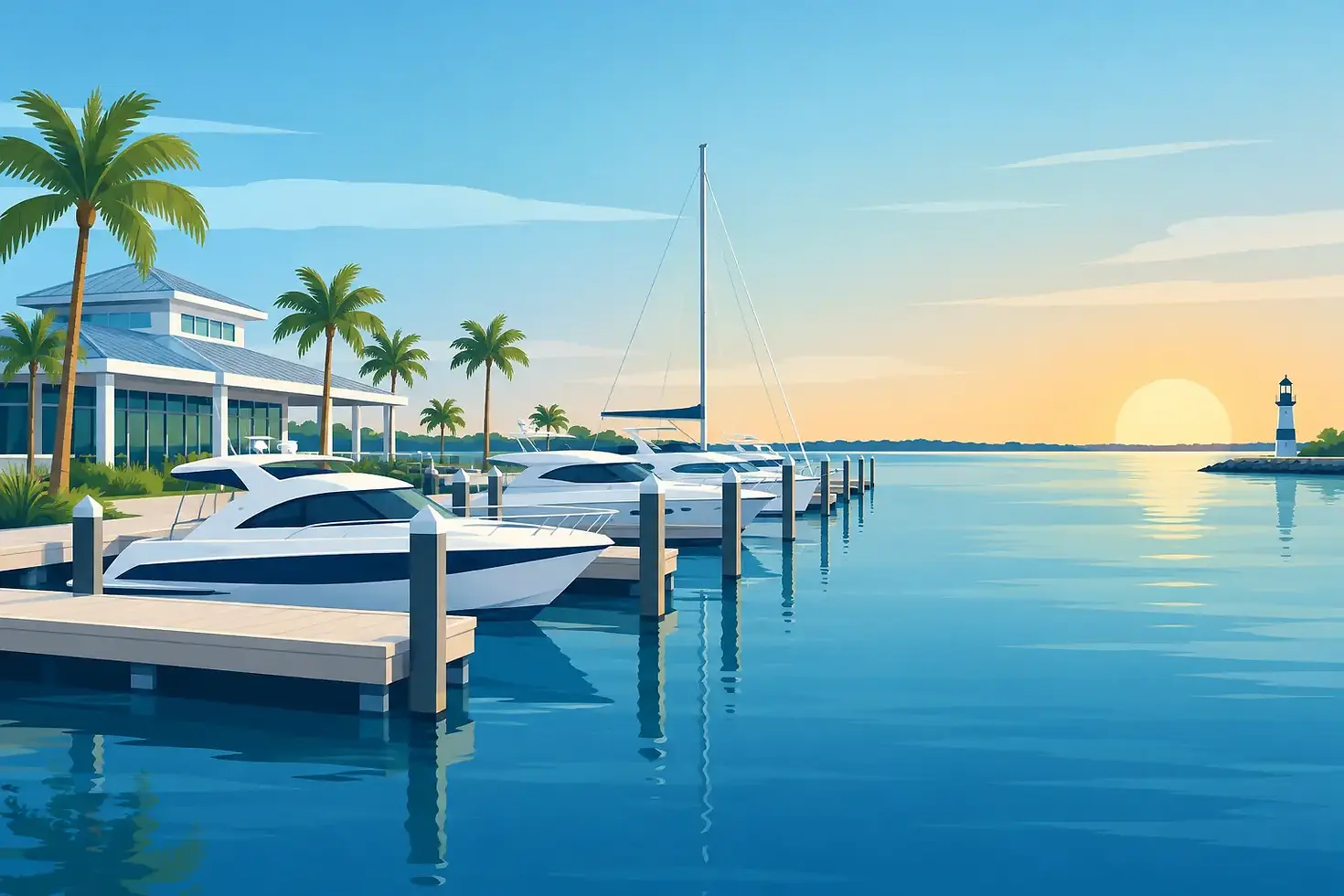
Marina Design That Works on the Gulf Coast
A marina is only as dependable as the decisions made before the first piling is driven. Good marina design has to account for boats, people, water movement, changing tides, utility demands, maintenance access, and the severe weather that Gulf Coast property owners know well. A layout that looks efficient on paper can become difficult to operate when slips are too tight, fairways are undersized, or wave action makes boarding unsafe.
For marina owners, developers, and waterfront property managers, the goal is not simply to add more slips. It is to build a facility that serves boaters well, protects the investment over time, and remains practical for the people responsible for operating it every day.
Marina Design Starts With the Water
The shoreline and water conditions should shape the project from the beginning. Water depth, bottom conditions, tidal range, prevailing winds, vessel traffic, currents, and wave exposure all affect where docks can sit and how they need to be supported.
A protected basin may allow for a different dock system than an open waterfront exposed to regular chop or boat wake. In shallow areas, dredging may be necessary to provide dependable access at lower tides. In other locations, the better choice may be to adjust the dock footprint, use longer access piers, or reserve certain slips for shallow-draft vessels.
The upland side matters just as much. Contractors need room to mobilize equipment, deliver materials, install utilities, and maintain the facility later. Emergency vehicle access, parking, pedestrian routes, and connections to restrooms, offices, fuel service, or storage areas should be considered before construction begins. Trying to solve these needs after the docks are in place often creates avoidable expense.
Understand the Vessels the Marina Will Serve
A marina designed for center consoles and bay boats has different needs than one serving sportfishing boats, sailboats, pontoon boats, or larger cruising vessels. Slip length, beam width, finger pier length, piling placement, cleat capacity, and electrical service all depend on the vessel mix.
It is also wise to plan for the boats your market may attract in the next several years. Building every slip to the absolute minimum required can limit flexibility as boat sizes increase. That does not mean oversizing every part of the marina. It means making informed decisions about which slips should accommodate larger vessels and where added clearance will make daily operations easier.
Fairway width deserves careful attention. Captains need enough room to turn into and out of slips safely, especially in crosswinds. A crowded layout may create more revenue-producing slips initially, but it can also lead to difficult docking, damaged boats, and unhappy customers. The right balance depends on the marina's location, vessel types, and operating goals.
Design for Safe Daily Use
A well-built marina should feel predictable underfoot and easy to navigate. That starts with dock elevation, walking surface, lighting, handrails where appropriate, and clearly defined access points. Floating docks can provide a more consistent boarding height as water levels change, while fixed docks may be a strong fit where elevation, local conditions, and construction requirements support them.
Dock widths should give boaters room to move gear without blocking pedestrian traffic. Main walkways generally need more space than finger piers, particularly at active marinas where carts, service crews, and dockhands are working around customers. Non-slip decking, clean transitions between gangways and docks, and properly placed cleats reduce everyday hazards.
Lighting should improve visibility without creating unnecessary glare toward neighboring homes or out on the water. Electrical pedestals, water connections, fire safety equipment, and emergency shutoffs need convenient placement and protection from damage. These are practical details, but they shape how safely and confidently people use the marina after dark, during rain, and on busy weekends.
Accessibility should be considered early as well. Gangway slopes, dock transitions, pathway widths, and parking connections may all affect how easily customers and visitors can use the facility. Requirements vary by project, so design and permitting decisions should be coordinated with the appropriate professionals from the start.
Build for Wind, Waves, and Storm Conditions
On the Gulf Coast, hurricane preparedness cannot be treated as an add-on. Marina structures face wind loads, storm surge, changing water levels, floating debris, and prolonged exposure to saltwater. The dock system, piles, framing, connections, utilities, and shore-side structures need to work together under demanding conditions.
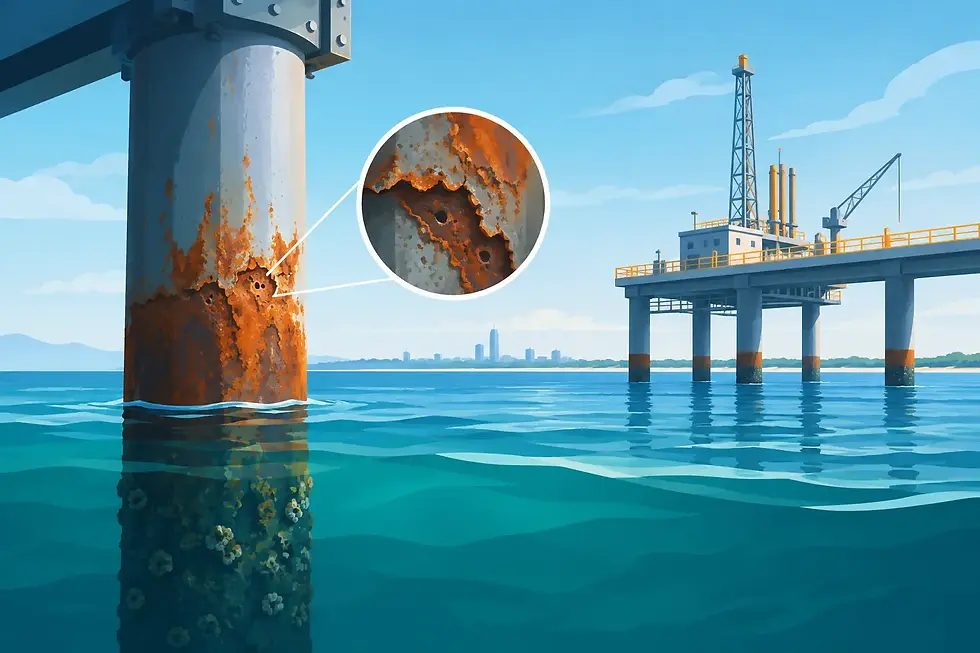
Pile size and embedment are not details to guess at. They should be selected for the site conditions, structural loads, and local code requirements. Connection hardware also matters. Corrosion-resistant components and properly engineered connections help preserve the integrity of the structure in a harsh marine environment.
Wave attenuation may be needed for exposed sites. Depending on the property, that may involve breakwaters, wave screens, protected basin planning, or other measures that reduce damaging wave energy before it reaches the docks. Each approach has trade-offs involving cost, permits, water circulation, navigation, and maintenance.
Utility systems should be planned with storm recovery in mind. Electrical equipment needs proper protection, service runs should be organized for access and repair, and shutoffs should be clearly identified. When damage does occur, a marina with accessible systems is faster and less costly to inspect and restore.
Plan Utilities and Service Areas Before Construction
Marina utilities are easy to overlook until the marina begins operating. Electrical service must match the needs of the vessels using each dock. Water service, drainage, fire protection, communications, fueling needs, and waste handling may also be part of the project.
Putting utilities in the right places helps keep docks clear and reduces the temptation for boaters to run cords or hoses across walkways. It also gives maintenance crews a more orderly system to inspect. Future capacity matters here, too. Providing room for added electrical service or upgrades can be far more economical during initial construction than after the marina is full.
Service areas should support the work that keeps a marina running. Designate practical locations for maintenance staging, trash collection, equipment storage, and contractor access. If fueling is part of the operation, that area requires additional planning for safety, environmental compliance, traffic flow, and emergency response.
Permitting Is Part of the Design Process
Waterfront construction often involves local, state, and federal requirements. The exact permitting path depends on the location, the type of work, the water body, environmental conditions, and the scope of the marina. New construction, expansions, dredging, shoreline work, and utility installation can all trigger review requirements.
Permitting should influence the project layout before plans are finalized. A design may need changes to protect navigation, avoid environmental impacts, preserve water flow, or meet setback and shoreline rules. Starting this work early helps avoid a design that looks good but cannot be approved as drawn.
A licensed marine contractor with regional experience can help coordinate construction planning with the realities of permitting, site access, and coastal conditions. Wide Open Alabama Marine Construction approaches these projects with the understanding that every waterfront site has its own constraints and responsibilities.
Make Maintenance Easier From Day One
Marine construction is exposed construction. Salt, sun, rain, marine growth, impact from boats, and changing water levels all take their toll. A marina design that allows for inspection and repair will protect the long-term value of the facility.
Choose materials based on their performance in the local environment, not just their upfront cost. Make sure key hardware, utilities, and structural connections can be reached when service is needed. Consider where boats are likely to make contact with docks and install appropriate protection in those areas. Good fendering, wear surfaces, and piling layouts can prevent repeated damage.
A practical maintenance plan should cover routine dock inspections, pile and framing checks, electrical review, decking repairs, corrosion monitoring, storm preparation, and post-storm assessments. Regular attention is less disruptive than waiting for a small issue to become a dock closure or a safety concern.
A Marina Should Work Hard for Its Owners and Boaters
The best marina is not the one with the most features on a site plan. It is the one that gives boaters confidence at the dock, gives staff room to operate, and stands up to the conditions it faces year after year. Careful marina design turns those goals into a waterfront facility that is safer, easier to maintain, and ready for the demands of the Gulf Coast.


Comments