

Pier Repair After Hurricane Starts With Safety
A hurricane can leave a pier standing but still unsafe to use. Deck boards may look intact while piles have shifted below the waterline, cross-bracing has loosened, or connections have been pulled out of alignment. Pier repair after hurricane damage should begin with a careful assessment, not a quick cleanup or a return to normal use.
For Gulf Coast property owners and marina operators, the first goal is to protect people, vessels, and the remaining structure. The second is to make smart repair decisions that restore dependable access without overlooking damage that can create a larger failure later.
Start With Safety and Documentation
Do not walk onto a damaged pier until it has been evaluated from shore or by a qualified marine contractor. Storm surge, wave action, floating debris, and high winds can weaken a structure in ways that are not visible from the bank. A section that feels firm under one step may fail under a concentrated load, especially near a broken pile, loose stringer, or undermined connection.
Keep family members, tenants, employees, and visitors off the pier. If the structure is attached to a boat house, lift, or gangway, keep those areas restricted as well. Electrical service should remain off until a qualified professional confirms that wiring, shore power equipment, lighting, and outlets are dry and safe.
Before moving debris, take clear photos and video from multiple angles. Capture damaged decking, displaced pilings, broken handrails, damaged boat lifts, shoreline washout, and any floating debris lodged against the structure. Include wide shots that show the full pier and close shots of individual failures. This documentation helps support insurance conversations, gives repair professionals a clearer starting point, and creates a record before conditions change.
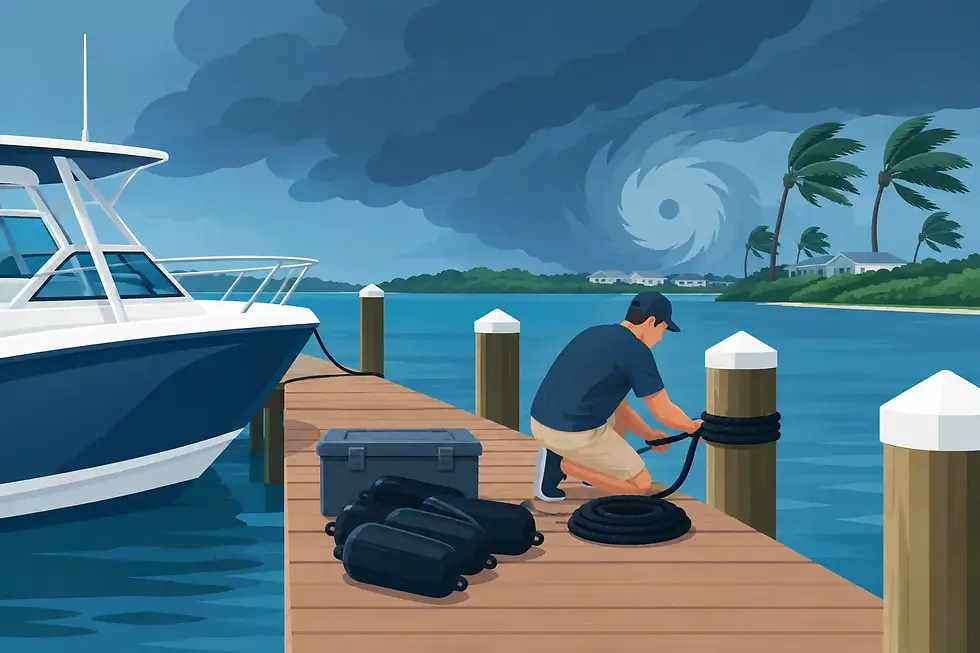
If a vessel is tied to the damaged structure, do not assume the cleats or pilings can safely hold it. Secure the boat only where the attachment points have been inspected, and avoid placing additional strain on a leaning or partially detached pier.
What a Proper Pier Repair After Hurricane Inspection Looks For
A post-storm inspection should look beyond visible deck damage. The deck is only one part of the system. A dependable repair plan starts with the foundation and works upward.
Piles, footings, and the waterline
Pilings carry the load of the pier, and they often take the hardest hit during a hurricane. Inspectors look for piles that are leaning, cracked, split, scoured out, lifted, or pushed out of position. In tidal and coastal locations, the most serious damage may sit at or below the mudline, where erosion can remove the support around a pile without making the problem obvious from above.
Marine borers, rot, and age-related deterioration can also turn a storm impact into a structural issue. A pile that survived for years may not have enough remaining strength after being struck by debris or subjected to repeated wave pressure.
Framing, bracing, and connections
Stringers, beams, joists, cross-bracing, bolts, brackets, and fasteners all deserve close attention. Hurricane forces can rack a pier sideways, leaving members twisted or connections elongated even when nothing is fully broken. Galvanized hardware can corrode over time, and a storm can expose weak points that were already developing.
Missing bracing, loose bolts, separated beam connections, and cracked framing should be addressed before replacing cosmetic items like deck boards or railings. New decking installed on compromised framing can hide the real problem and add weight to a structure that needs reinforcement or reconstruction.
Decking, rails, and access points
Deck boards may be cracked, lifted, missing, or slick with storm residue. Handrails and steps can become dangerous even when they appear only slightly out of line. Check transitions where the pier connects to land, a floating dock, a gangway, or a boat house. These points often move differently during surge and can suffer hidden separation.
For marina properties, inspect slips, finger piers, utility pedestals, fuel-related infrastructure, dock boxes, and signage as part of the same review. A repair plan should account for safe operations across the full facility, not just the most visibly damaged section.
Decide Whether to Repair, Reinforce, or Rebuild
Not every damaged pier needs to be replaced. In many cases, targeted repairs can restore a structure safely and extend its service life. Replacing damaged decking, installing new hardware, repairing limited framing, or resetting isolated components may be appropriate when the foundation remains sound and the overall structure is still properly aligned.
Reinforcement may make more sense when the pier is generally serviceable but has exposed weaknesses. Additional bracing, upgraded connectors, stronger pile caps, or improved framing details can help prepare the structure for future weather. This is often the right time to correct recurring trouble spots rather than simply restoring the pier to its pre-storm condition.
Rebuilding becomes the better choice when piles have shifted broadly, the framing has lost alignment, scour has compromised support, or the structure has reached the end of its useful life. A rebuild can also be a practical decision when repairs would require repeated work across several areas. The lowest initial repair price is not always the best value if the pier will remain vulnerable or require more major work in the near future.
A licensed marine contractor can explain the trade-offs based on the actual condition of the structure, water depth, exposure, usage, and local requirements. A small residential fishing pier and a busy marina dock do not face the same loads or operational demands.
Protect the Structure During Recovery
After a storm, debris removal may be necessary to prevent additional damage, but it must be handled carefully. Large logs, roofing materials, broken vessels, and other debris can be caught against piles or wrapped around framing. Pulling on debris with a truck, winch, or boat can tear loose a weakened member or cause a partial collapse.
Use a qualified crew with the equipment to remove debris in a controlled way. If temporary stabilization is needed, it should be designed to reduce risk without interfering with the permanent repair plan. Temporary measures are not a substitute for structural repairs, but they can help prevent further movement while permits, materials, and scheduling are being arranged.
Also pay attention to shoreline changes near the pier approach. Hurricane surge can wash out soil, undermine walkways, and alter drainage. Repairing the pier while ignoring erosion at the bank can leave the access point unstable and create a new problem during the next high-water event.
Permits, Insurance, and the Value of a Clear Scope
Post-hurricane work can move quickly, but permitting requirements do not disappear. Emergency stabilization may be treated differently from permanent reconstruction, and work in coastal or waterfront areas can involve local, state, and federal considerations. Replacing a few boards is not the same as replacing piles, changing the footprint, adding a boat house, or modifying a marina facility.
A clear repair scope protects the property owner. It should identify the damaged components, explain what will be repaired or replaced, outline materials and structural details, and address any needed permitting. For insurance-related work, organized photos, inspection notes, measurements, and estimates can help keep the conversation focused on the actual storm damage.
Be cautious about anyone promising an immediate full repair without inspecting the piles and framing. Hurricane recovery brings plenty of pressure to act fast. The right pace is fast enough to secure the property and prevent further damage, but careful enough to avoid rebuilding over hidden structural failures.
Build Back With the Next Storm in Mind
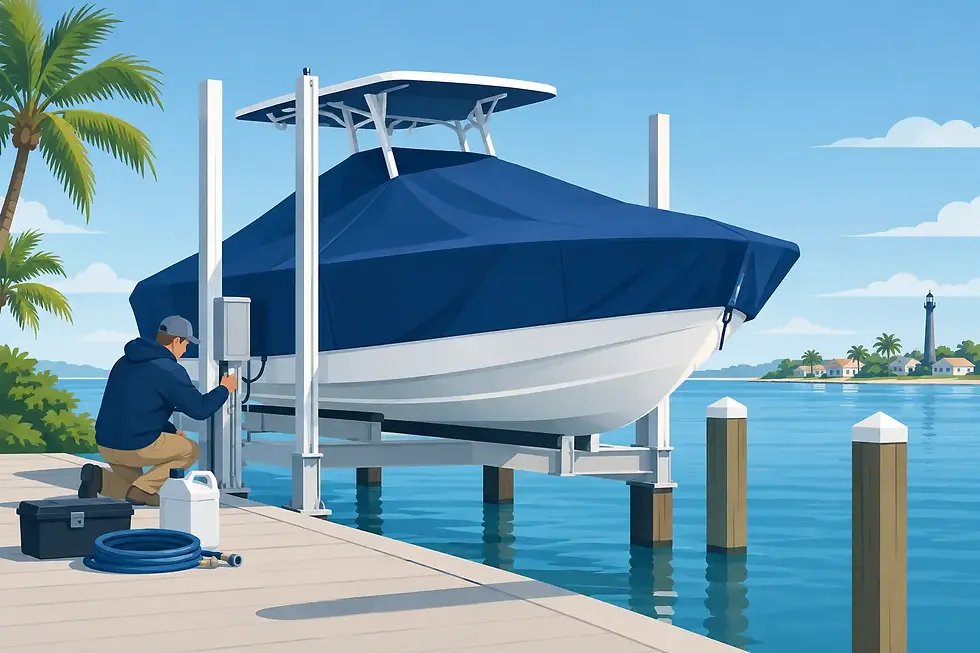
Hurricane repair is an opportunity to improve the details that matter when weather turns. Depending on the structure, that may include upgraded hardware, stronger bracing, improved pile connections, better drainage, or deck materials selected for the marine environment. Boat lifts, tie-down systems, and electrical equipment should also be evaluated as part of the recovery plan.
Wide Open Alabama Marine Construction approaches repairs with the same standard used for new marine construction: the work must perform in real Gulf Coast conditions, not simply look complete on the day the crew leaves. Quality materials, sound connections, and proper installation make a difference long after the visible storm debris is gone.
A damaged pier can feel like one more overwhelming task after a hurricane. Start by keeping the area secure, documenting what happened, and getting a qualified inspection before making repair decisions. A careful first step gives your waterfront property the best chance to come back safer, stronger, and ready for the seasons ahead.
Comments