

How to Build a Dock That Handles Gulf Coast Weather
A dock is not just a place to tie up a boat. On the Gulf Coast, it is a working structure exposed to saltwater, shifting bottoms, wind, waves, storms, and daily use. Knowing how to build a dock starts with recognizing that the right design for a quiet inland pond may fail quickly along Mobile Bay, the Intracoastal Waterway, or the coast.
A well-built dock should fit the waterway, the soil conditions, your intended use, and the local permitting requirements. It also needs to be built for the weather your property will actually see, not just the calm day when construction begins. Careful planning upfront protects your investment and helps create a waterfront structure your family, guests, tenants, or marina customers can rely on.
Start With the Site, Not the Materials
Every dock project begins with a site evaluation. Water depth, tidal range, wave exposure, shoreline conditions, bottom composition, boat traffic, and seasonal water changes all affect the design. A dock in protected water may need a different pile layout and framing system than one exposed to open-bay wind and wake.
First, determine what the dock must do. A small residential fishing dock, a covered boat slip, and a commercial marina pier have very different load requirements. Think beyond the boat you own today. If you may add a boat lift, personal watercraft lift, roof structure, utilities, seating area, or a larger vessel later, plan for it now. Retrofitting a dock that was not designed for additional loads can be expensive and, in some cases, impractical.
Water depth matters just as much. Measure at low tide or during seasonal low-water conditions, not only when the water is high. A dock that looks perfectly usable in summer can leave a boat sitting in mud or unable to reach the lift during a low-water period. Local experience is valuable here because water levels and bottom conditions can vary significantly from one shoreline to the next.
Permits Come Before You Build a Dock
Dock permitting is not an afterthought. In coastal Alabama and the Florida Panhandle, waterfront construction may involve local building departments, environmental agencies, federal requirements, homeowners associations, and navigation-related restrictions. The required approvals depend on the location, waterbody, dock size, pile placement, roof coverage, water depth, and whether the project affects wetlands, submerged lands, or navigation.
Starting construction before permits are in place can lead to stop-work orders, fines, redesign costs, or removal of work already completed. It can also create trouble when you sell or insure the property.
A proper permitting review should confirm property boundaries, riparian rights, setback requirements, allowable dock dimensions, and the approved route from shore to the structure. It should also account for electrical service, lighting, boat lifts, and any proposed boathouse. A licensed marine contractor can help coordinate this process and design the project around the approvals instead of trying to correct problems after construction begins.
Choose the Right Dock Foundation
The foundation carries the entire dock. In many Gulf Coast applications, driven pilings provide the most dependable long-term support because they transfer loads into the soil below the water bottom. Pile depth, diameter, spacing, and material selection should be based on the site conditions and the expected loads.
Wood pilings remain common for many residential docks, especially when properly treated for marine exposure. Concrete and composite piling options may also make sense for certain locations and project goals. The best choice depends on budget, exposure, appearance, maintenance expectations, and engineering requirements.
Floating docks are another option, particularly where water levels change substantially or where bottom conditions make fixed piling construction difficult. They need properly designed anchoring systems, quality flotation, and enough freeboard to perform safely under expected use. A floating dock is not automatically easier or less expensive. In exposed water, wave action and wake can place significant stress on the connections, gangway, guide piles, and flotation system.
For a fixed dock, piles must be installed straight, at the correct elevations, and deep enough to resist uplift, lateral movement, and storm loads. This is not a place to guess. Gulf Coast storms can test every connection in a matter of hours.
Build a Frame That Handles Real Loads
Once the foundation is in place, the framing connects the dock into one structural system. Marine-grade framing typically includes properly sized beams, joists, bracing, hardware, and fasteners selected for wet, salty conditions. Standard indoor construction materials and untreated connectors do not hold up well around saltwater.
Cross-bracing is especially important where a dock faces wind, waves, current, or boat wake. It helps control racking, or side-to-side movement, that can loosen joints over time. The framing also needs to account for concentrated loads, such as boat lift pilings, roof posts, utility pedestals, gangways, and gathering areas.
Fastener selection deserves close attention. Hot-dipped galvanized hardware, stainless steel, and approved marine-rated connectors all have a place, depending on the materials and exposure. Mixing incompatible metals can cause corrosion problems. A dock may look solid from above while hidden hardware deteriorates underneath, so material compatibility is part of building for long-term service.
Select Decking for Safety and Maintenance
Decking affects traction, comfort, appearance, and maintenance. Pressure-treated lumber is a proven, cost-conscious option when installed correctly and maintained over time. Composite decking can reduce routine maintenance and provide a clean finished look, but it may cost more upfront and can become hot in direct Gulf Coast sun. Some products are also more flexible than wood, which means joist spacing must follow the manufacturer’s requirements.
Whatever decking you choose, prioritize slip resistance. Dock surfaces stay wet from rain, spray, fish cleaning, swimming, and routine use. Leave proper spacing between boards for drainage and expansion. Use clean, consistent board layout and make sure fasteners are installed securely without creating sharp edges or trip points.
Handrails may be appropriate for elevated sections, access ramps, stairs, and areas used by children or guests. They should improve safety without interfering with boat access or required clearances. Lighting should be low-glare, weather-rated, and placed to help people move safely at night without creating unnecessary light spill across the water.
Plan Utilities and Boat Access Early
Electrical work around water demands careful planning and qualified installation. Shore power, lighting, boat lifts, outlets, and pumps need correctly rated equipment, proper grounding, GFCI protection, and code-compliant installation. Electrical shortcuts near water are dangerous and can create serious liability for homeowners and marina operators.
Boat access should be designed around the vessel, not an average measurement. Consider beam width, draft, cleat locations, boarding position, lift capacity, fender placement, and the direction boats typically approach in wind or current. A boat slip that is too narrow, too shallow, or poorly positioned can turn routine docking into a frustrating and costly problem.
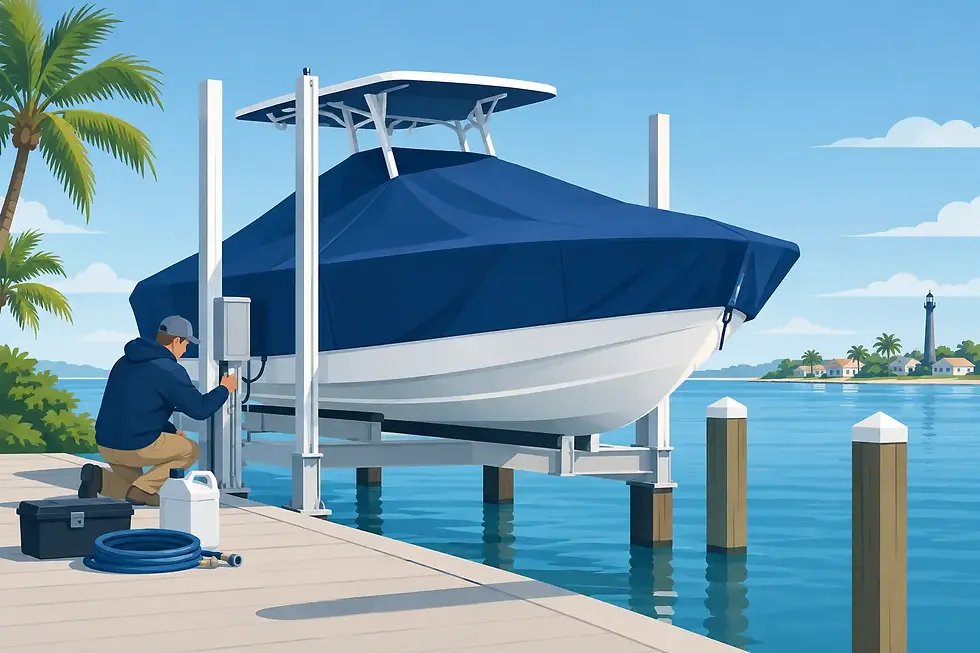
If a lift is part of the plan, design the dock and lift system together. The lift must be matched to the boat’s weight, dimensions, hull shape, and use pattern. Hurricane-rated boat lift options can add valuable protection, but the entire support structure must be designed to work with that equipment.
Build for Storms, Then Maintain for the Long Haul
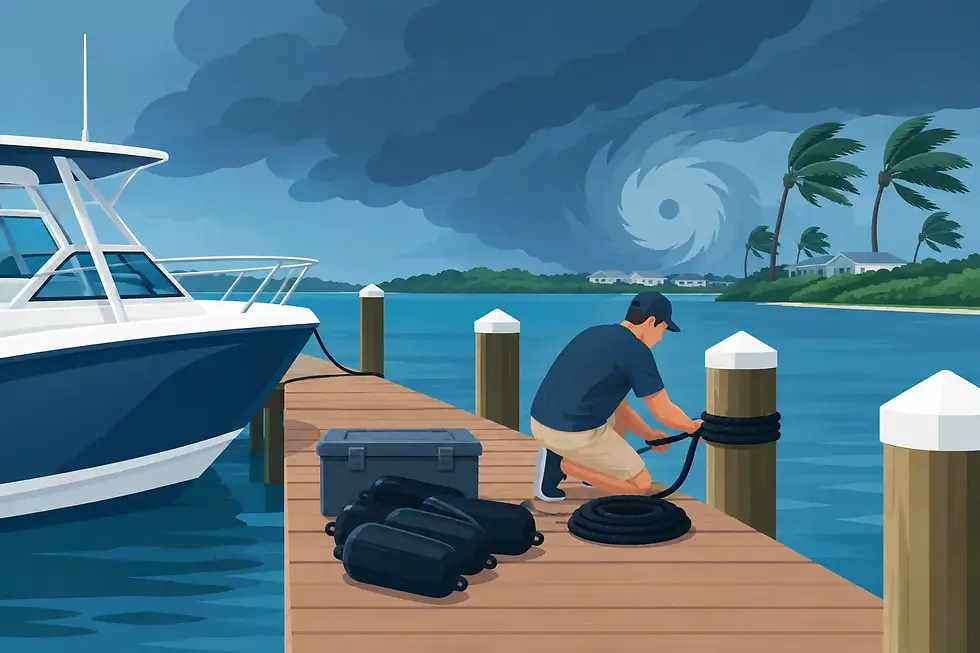
No dock is completely storm-proof, but thoughtful design can reduce damage risk. Strong pile foundations, quality bracing, elevated framing, secure connections, and properly engineered lift systems all matter. In exposed locations, the dock layout may also need to limit the surface area that catches wind and waves.
After a major storm, inspect the structure before using it. Look for shifted piles, cracked beams, loose decking, damaged electrical equipment, missing hardware, and signs of undermining around the shoreline. Do not assume a dock is safe because it is still standing.
Routine maintenance makes a major difference. Check bolts, brackets, cleats, decking, handrails, lift cables, electrical components, and piling condition at least once a year. Marina properties and high-use docks may need more frequent inspections. Keeping small issues from becoming structural repairs is one of the best ways to protect a waterfront investment.
A dock should feel solid underfoot, work naturally with your boat, and hold up to the conditions at your shoreline. When the design, permits, materials, and installation are handled with care, your dock becomes a dependable part of life on the water rather than another concern before the next storm.
Comments