

How Boat House Builders Plan for Gulf Coast Weather
A boat house on the Gulf Coast has to do more than keep a boat out of the sun. It has to stand up to salt air, changing tides, heavy rain, boat traffic, and the wind forces that come with tropical weather. That is why choosing experienced boat house builders is about much more than finding someone who can frame a roof over the water.
For waterfront homeowners, marina operators, and property managers, a well-built boat house protects a valuable vessel while making the shoreline more useful year-round. The right design can add covered storage, improve access to a lift, support safer boarding, and create a structure that fits the property instead of becoming a maintenance problem. The wrong design can lead to permit delays, premature corrosion, storm damage, or a structure that does not match the way you actually use the water.
What Good Boat House Builders Evaluate First
A dependable project begins with the site, not a stock drawing. Every shoreline has its own water depth, bottom conditions, exposure to wind and waves, access limitations, and local permitting requirements. A protected canal lot calls for a different approach than an open bay, riverfront, or marina basin.
An experienced marine contractor looks at how the proposed structure will connect to the existing dock or pier, where pilings can be installed, and how boats will enter and leave the slip. They also consider whether the structure needs to accommodate a lift, personal watercraft, storage, electrical service, or a future expansion. Addressing these details early helps avoid costly changes once work is underway.
Water depth matters, but it is not the only factor. A boat may float comfortably at normal tide and still have limited clearance during low water. Roof height, lift travel, beam width, and the vessel's overall height all need to work together. This is particularly important for center consoles with towers, larger cruisers, and boats that may be replaced with a different model later.
Piling and framing decisions are structural decisions
The pilings beneath a boat house carry the load of the roof, framing, lift equipment, wind pressure, and the structure's daily use. Their size, material, depth, spacing, and connection details should be selected for the site and the planned load, not simply copied from a nearby project.
On the Gulf Coast, marine-grade materials and properly designed connections are essential. Saltwater, humidity, and repeated wet-dry cycles are hard on untreated components and incompatible metals. Quality hardware, protected electrical components, durable decking, and corrosion-resistant fasteners help extend the life of the structure and make future maintenance more manageable.
There is also a practical trade-off between a minimal structure and one built for broader use. A simple covered slip may cost less up front, while a larger roof system, integrated storage, or heavier-duty lift can provide more protection and flexibility. The best choice depends on the boat, the property, the water conditions, and how long you plan to own the structure.
Designing a Boat House for Wind, Water, and Daily Use
A boat house should be built for ordinary mornings as carefully as it is built for difficult weather. That means planning clear walkways, safe boarding areas, convenient power access, and enough room to work around the boat without creating trip hazards. It also means making sure the layout does not interfere with navigation or make docking harder in wind or current.
Roof design is a major part of the conversation. The roof needs to provide useful shade and rain protection, but its shape, overhangs, connections, and framing must also account for wind exposure. Larger roofs catch more wind. That does not mean a large roof is always a bad decision, but it does mean the support system and attachment details need appropriate attention.
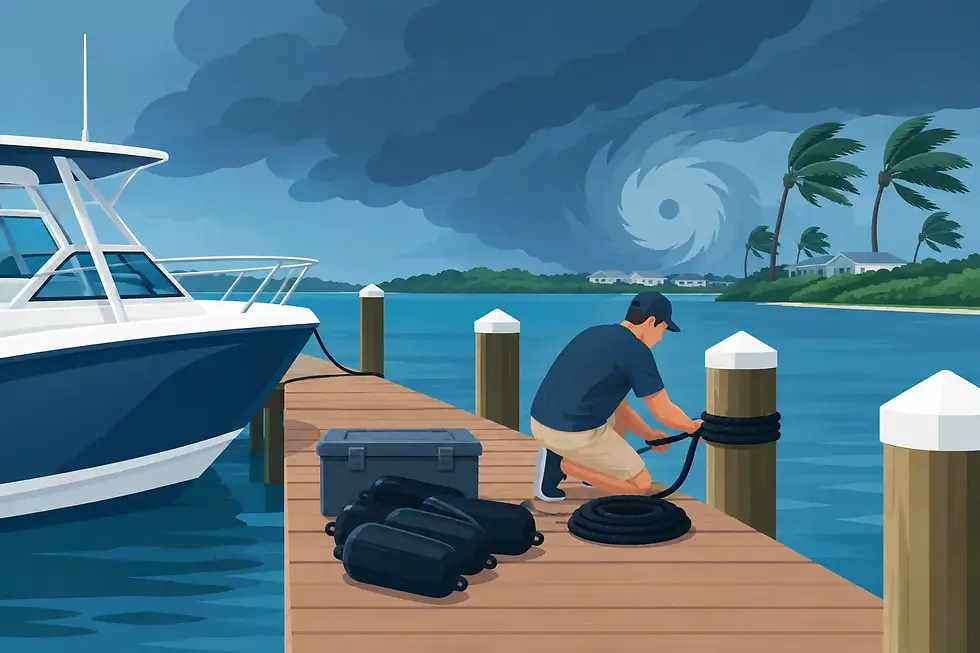
Hurricane preparedness should be considered during planning, rather than treated as an add-on after construction. For many owners, this includes selecting a properly rated boat lift, planning tie-down procedures, and understanding what can be secured or removed before a storm. A lift protects the boat from long periods in the water and can reduce certain risks, but it does not replace sound storm preparation or a structure designed for local conditions.
At Wide Open Alabama Marine Construction, boat house projects are approached as part of the entire waterfront system. A new roof or lift may affect the dock, electrical setup, access path, seawall area, and long-term maintenance needs. Looking at those connections helps create a finished project that performs as one working structure.
Plan around the boat you own, and the one you may own next
A common mistake is sizing a boat house only for the vessel currently in the slip. If you expect to move from a bay boat to a larger center console, add a tower, or change lift capacity, planning for that possibility can save significant expense later.
This does not mean every project needs to be oversized. Building beyond the needs of the property can add cost and create permitting or visual concerns. It does mean the builder should ask clear questions about boat dimensions, lift requirements, storage needs, and future plans before finalizing the layout.
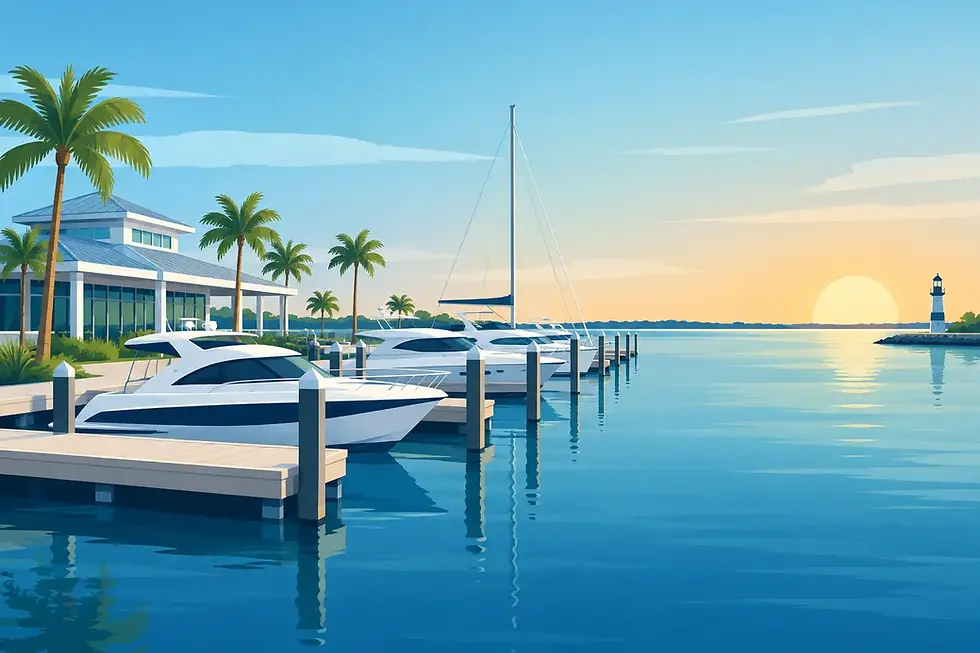
For marina operators, the same principle applies at a larger scale. Slip spacing, traffic flow, utility placement, and maintenance access can affect daily operations. A covered dock or boat house area should support customers and staff without restricting the movement of other vessels.
Permitting Should Be Part of the Plan
Marine construction permits can involve local, state, and federal review depending on the property and scope of work. Requirements may address navigable water, wetlands, shoreline setbacks, structural dimensions, environmental impacts, and the location of adjacent docks or channels.
Permitting is not a paperwork detail to leave until the end. A proposed boat house may need adjustments if it exceeds allowable coverage, extends too far into the waterway, conflicts with local rules, or affects protected areas. Starting with a contractor who understands the permitting process can help set realistic expectations for design and schedule.
Property owners can help by gathering surveys, existing permit records, site photos, and information about prior dock work. The more clearly the site history is understood, the easier it is to identify potential issues before construction begins. It is also wise to discuss utility needs early, especially if the project includes a lift, lighting, shore power, or water service.
Questions to Ask Before Hiring Boat House Builders
Before selecting a contractor, ask how they evaluate the site, what materials and connections they recommend for the environment, and how they handle permitting support. Ask whether they perform marine work regularly, not just general construction near the water.
You should also ask who will manage the project, how changes are communicated, and what maintenance will be recommended after completion. A good contractor should be able to explain the reasoning behind the design in plain language. You should understand what is included in the scope, what conditions could affect the schedule, and how the structure will be cared for after it is built.
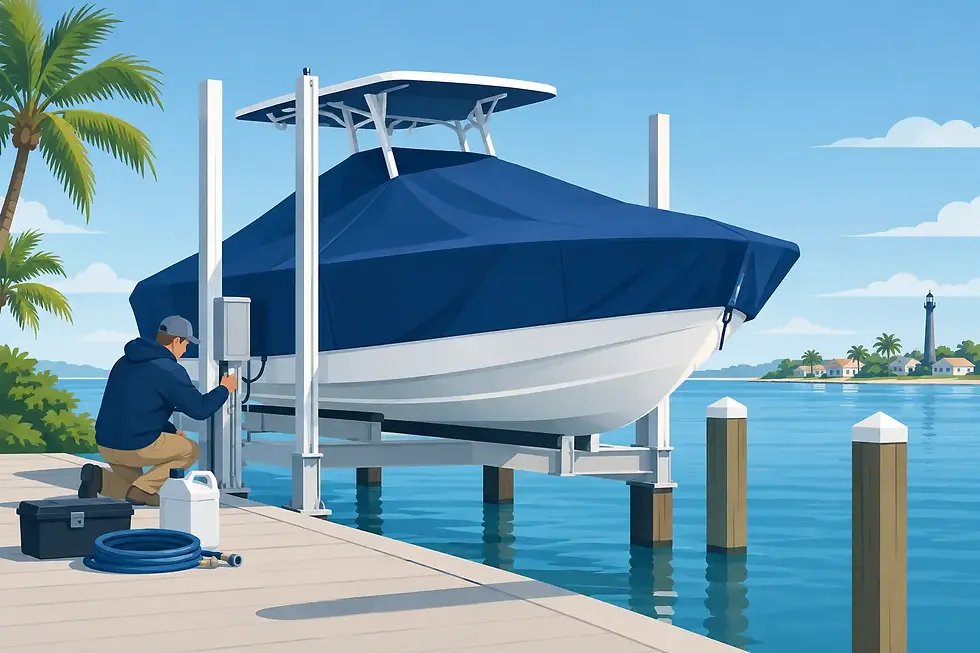
Experience with boat lifts deserves its own conversation. Lift capacity, cradle setup, guide systems, electrical requirements, and service access all affect reliable operation. A lift that is poorly matched to the vessel can create unnecessary wear or make loading difficult. Selecting the right equipment is as important as building the roof above it.
Protect the Investment After Construction
Even a well-built boat house needs regular attention. Salt, sun, moisture, and moving water are constant forces along the coast. Routine inspections can catch loose hardware, damaged decking, electrical concerns, lift wear, and early signs of corrosion before they become larger repairs.
After significant storms, inspect the structure as soon as conditions are safe. Look at pilings, cross-bracing, roof connections, dock boards, lift cables, and electrical components. Do not assume a structure is undamaged because it is still standing. Small shifts or hidden connection damage can affect performance later.
The strongest boat house is one that fits the site, protects the vessel, and has a clear plan for care over time. When the work is designed with Gulf Coast conditions in mind, your waterfront can remain ready for the days you use it most - and better prepared for the weather you cannot control.
Comments