

Dock Construction That Holds Up on the Gulf Coast
A dock can look fine through a calm summer and still be one storm away from a costly failure. Along the Gulf Coast, dock construction has to account for changing tides, salt exposure, soft bottom conditions, boat traffic, wind, waves, and the force of hurricane-season weather. The right project is not simply a platform over water. It is a waterfront structure designed around your property, your boat, and the conditions it must handle for years to come.
For homeowners, a well-built dock makes time on the water easier and adds real function to the property. For marina operators and commercial property managers, it supports daily operations, protects users, and helps avoid disruptions that can affect tenants and customers. In either case, quality comes from careful planning before the first piling is set.
Dock Construction Starts With the Site
Every waterfront property presents a different set of challenges. Water depth may change sharply from shore to channel. The bottom may be firm sand in one area and soft mud in another. A protected bay, a riverfront lot, and an open-water shoreline each place different demands on a dock structure.
A proper site evaluation looks beyond the visible shoreline. It considers normal and seasonal water levels, tidal movement, wave exposure, prevailing wind, nearby navigation channels, existing bulkheads or seawalls, and access for construction equipment. It also considers how the owner will use the dock. A small fishing dock does not need the same layout, load capacity, or slip arrangement as a boat house with a lift or a busy marina facility.
This is where experience saves trouble. A structure that is oversized for its use can add unnecessary cost. One that is undersized, poorly positioned, or built with the wrong foundation can lead to repairs, access problems, and shortened service life. Good planning finds the practical balance between budget, performance, and long-term maintenance.
Design for the Way You Use the Water
The best dock layout serves the people using it every day. That may mean a straight pier that reaches deeper water, an L-shaped dock that creates a protected tie-up area, or a T-head that provides room for multiple boats. It may include a kayak launch, fish-cleaning station, utility connections, seating area, boat lift, or covered boat house.
For a residential property, the first questions are simple: What kind of boat will use the dock? How often will it be used? Is easy boarding a priority for children, guests, or older family members? Will the dock need power, water, lighting, or a lift? Those answers shape the width of walkways, the size of slips, the location of cleats, and the overall approach from shore.
Commercial projects require another level of planning. Marina docks may need to accommodate varying vessel sizes, regular foot traffic, utility pedestals, fueling considerations, and maintenance access. They also need an organized layout that helps users move safely through the facility. A well-planned marina dock is easier to operate and easier to maintain.
Fixed Docks and Floating Docks
Fixed docks are supported by pilings driven into the bottom. They are a common choice where water levels are relatively predictable and a stable, permanent structure is needed. Their elevation must be selected carefully, especially in areas affected by storm surge and wave action.
Floating docks rise and fall with water levels. They can be useful where tidal changes or seasonal water fluctuations make a fixed deck height less practical. They still require dependable anchoring and connection details, and they are not automatically the right answer for every shoreline. The decision depends on water conditions, intended use, permitting requirements, and the structural system needed to secure the dock.
Materials Matter in Saltwater
Marine construction materials are exposed to moisture, sun, salt, and movement every day. Choosing materials based only on upfront price often creates higher costs later.
Treated timber remains a practical option for many structural applications when specified and installed correctly. Composite decking can reduce routine upkeep and provide a clean finished appearance, though it has its own cost and heat considerations. Hardware, fasteners, brackets, and connections need to be selected for the marine environment, not treated as minor details. Corrosion at a connection point can compromise an otherwise solid structure.
Decking should also be chosen with traction, drainage, and foot traffic in mind. A dock used primarily for fishing may have different priorities than a high-traffic marina walkway or a boat house platform. The goal is a surface that performs safely and holds up under real use.
Permitting Is Part of the Build, Not an Afterthought
Waterfront construction often involves permits and approvals from local, state, and federal agencies. Requirements can vary based on the location, the waterway, the property line, environmental conditions, the size of the proposed structure, and whether the work affects navigable water or protected areas.
Starting construction without the required approvals can create delays, fines, redesign costs, or even removal requirements. It can also complicate property transactions and insurance questions later. A contractor familiar with Gulf Coast marine work can help identify the permitting path early, coordinate needed documentation, and keep the project moving in the right direction.
Permitting is not just paperwork. It influences the footprint, length, width, orientation, and permitted uses of a dock. Bringing it into the design process from the beginning prevents an owner from investing in plans that cannot be built as proposed.
Build for Storms Before Storm Season Arrives
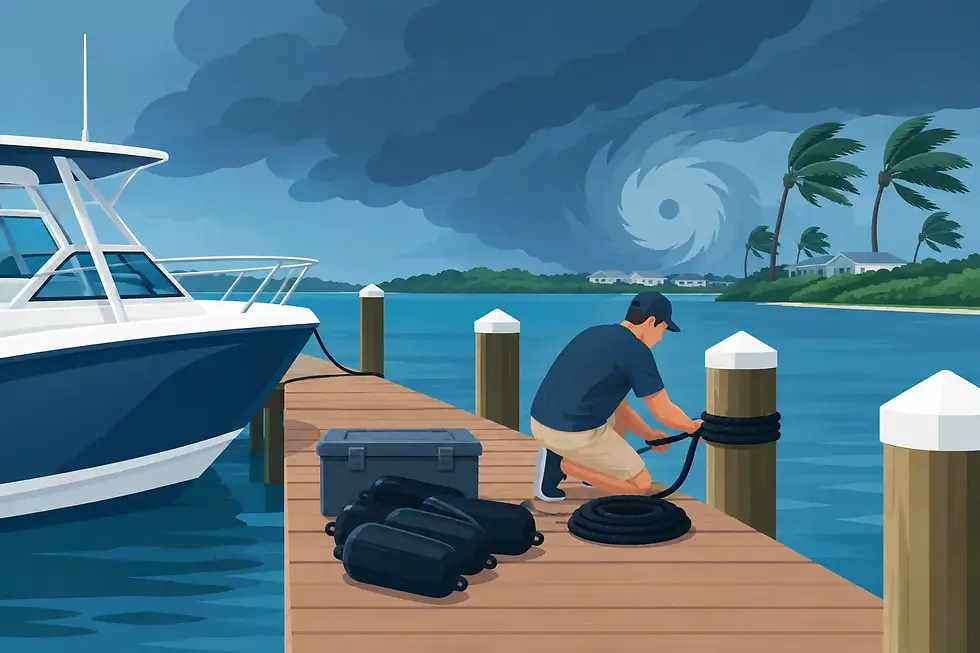
The Gulf Coast asks more of waterfront structures than many other regions. High winds, surge, debris, wave energy, and shifting conditions can test every part of a dock system. Hurricane preparation begins with construction details that anticipate those forces.
Pile depth and placement, framing connections, bracing, deck elevation, and the way a boat lift or boat house is integrated all affect how a structure performs under stress. There is no single hurricane-proof formula for every property. Exposure on open water, the surrounding shoreline, local regulations, and the size of the structure all influence the right approach.
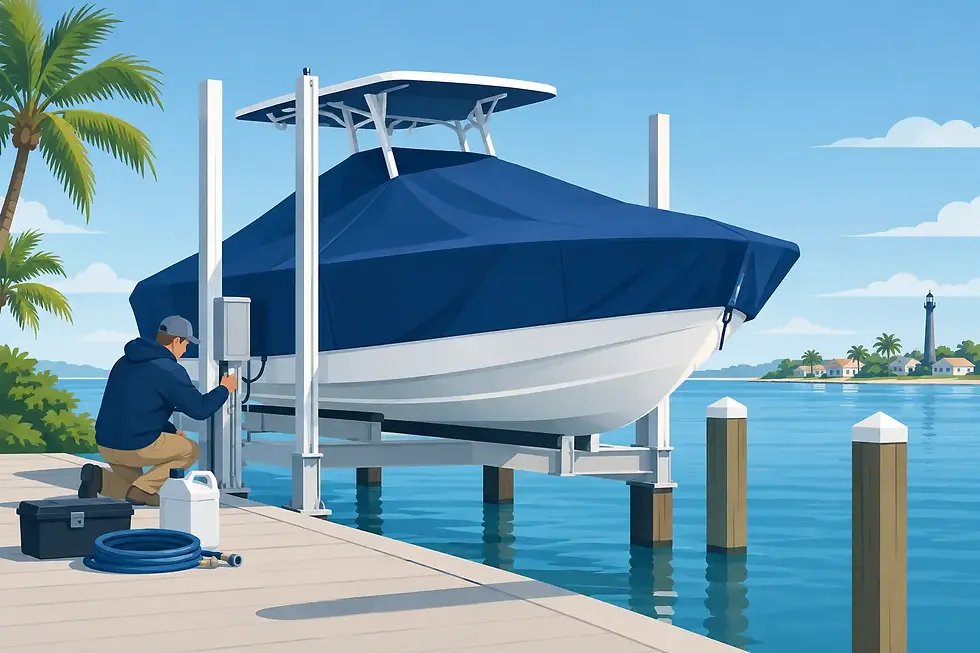
Boat protection deserves the same attention. A properly selected and installed boat lift can keep a vessel out of the water when it is not in use, reducing exposure to tides, wake, and marine growth. For owners in storm-prone areas, lift capacity, mounting design, and operating reliability are serious decisions, not accessories. Wide Open Alabama Marine Construction brings marine building experience and Hurricane Boat Lift dealer capability together for owners who need their waterfront systems to work as a complete package.
Even a well-built dock benefits from a storm plan. Owners should know how to secure loose items, protect electrical equipment, inspect lines and cleats, and evaluate the structure after severe weather. Quick inspections after a storm can catch damaged boards, shifted connections, debris impacts, and electrical concerns before they become larger problems.
Dock Construction Requires Skilled Installation
The visible deck is only one part of the project. Below the waterline and behind the finished surfaces are the components that carry the load: pilings, framing, cross-bracing, connections, anchoring systems, and shoreline transitions. Installation quality determines whether those components work together as designed.
Experienced marine crews understand that waterfront construction does not operate like a typical land-based project. Access may be by barge or watercraft. Work windows may be shaped by weather and tides. Materials need careful handling to avoid damage, and crews must work safely around water, equipment, and changing site conditions.
Licensed general contractor credentials matter because dock projects often connect to larger waterfront improvements. A new dock may be part of a boat house project, seawall repair, marina renovation, electrical upgrade, or shoreline access improvement. Having a contractor who can manage the whole scope helps keep responsibilities clear and workmanship consistent.
Protect the Investment With Routine Maintenance
No dock is maintenance-free, particularly near saltwater. Regular care extends service life and helps owners plan repairs before safety or structural issues develop.
At least once or twice a year, inspect decking for loose boards, splinters, soft spots, and signs of wear. Check handrails, ladders, cleats, bumpers, and lighting. Look closely at hardware for corrosion and at structural members for cracking, movement, or damage from vessel impact. After severe weather, inspect again before returning the dock to normal use.
Boat lifts, electrical systems, and marina utilities also need scheduled attention. Maintenance is less expensive and less disruptive when it is planned. For commercial properties, a recurring maintenance program can help protect uptime, improve tenant experience, and keep small issues from becoming emergency repairs.
A dock should make waterfront life easier, not leave you wondering what will fail next. Start with a design that fits the site, use materials and connections suited for Gulf Coast conditions, and choose a marine contractor prepared to stand behind the work. That is how a waterfront investment earns its place on your property year after year.
Comments